


The Coastal Tear Breakdown: How Harbor Breezes Trigger Dry Eye Burn
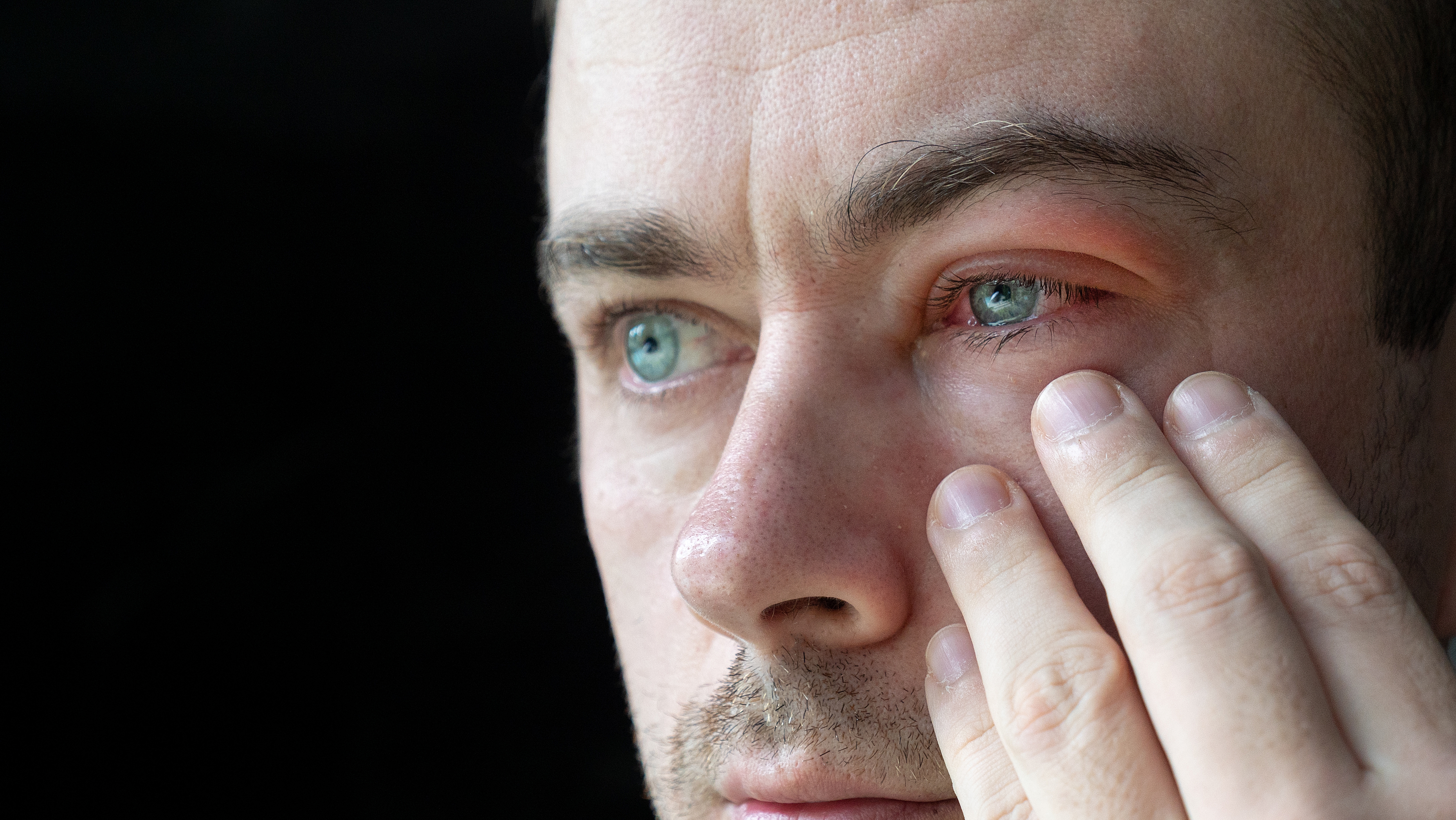
Living near the coast offers fresh air and beautiful views, but persistent harbor breezes can be hard on the eyes. Wind increases tear evaporation, allowing the eye’s protective moisture layer to break down faster. For people already prone to dry eye, time near the water may lead to burning, grittiness, redness, watering, or fluctuating vision.
Why Coastal Wind Can Disrupt the Tear Film
Healthy tears contain water, oil, and mucus that work together to protect and lubricate the eye. The oily outer layer slows evaporation. When this layer is weak, moving air can pull moisture from the eye’s surface more quickly.
Coastal conditions may add other irritants, including salt in the air, sand, pollen, and sunscreen. Contact lens wear, screen use, dehydration, certain medications, and meibomian gland dysfunction can make symptoms more noticeable. Although watery eyes may seem like the opposite of dryness, excess tearing can be a reflex response to irritation.
Signs Your Eyes Need More Than Temporary Relief
Occasional discomfort may improve after going indoors, but recurring symptoms can signal an unstable tear film. Common signs include:
• Burning, stinging, or scratchy eyes
• Redness or sensitivity to light
• Blurry vision that clears after blinking
• Contact lenses that become uncomfortable outdoors
• Excessive watering in windy conditions
Over-the-counter lubricating drops may offer temporary comfort, but they do not always address why the tears are evaporating too quickly.
Protecting Your Eyes Near Scituate Harbor
Wraparound sunglasses can create a barrier against wind, sun, and airborne particles. Staying hydrated, taking regular screen breaks, and avoiding direct airflow from fans or car vents may also reduce irritation. Contact lens wearers should follow the recommended replacement schedule and avoid using redness-relief drops as a substitute for proper dry eye care.
If symptoms continue, a dry eye evaluation can examine tear quality, eyelid health, and the oil-producing glands along the eyelids. This helps identify whether the problem involves low tear production, rapid evaporation, inflammation, blocked glands, or several factors at once.
Personalized Dry Eye Treatment
Treatment should match the cause and severity of the condition. Depending on the findings, care may include targeted eyelid hygiene, prescription therapy, punctal plugs, specialty contact lenses, or in-office treatments designed to improve meibomian gland function and tear stability.
Schedule a consultation with Scituate Harbor Vision Source to learn more about personalized dry eye treatment for lasting relief. Contact our office in Scituate, MA, by calling (781) 545-0792 to book an appointment today.


MAP
© 2026 Scituate Harbor Vision Source. All Rights Reserved. Accessibility Statement - Privacy Policy - Sitemap
Powered by: 